Water Damage Restoration in Clinton Industrial Park That Starts Now

Emergency extraction, drying and repair for industrial buildings

Water Damage Restoration in Clinton Industrial Park is a same-day job for our crew, not a next-week appointment. We work the warehouse rows, shop floors and office buildouts off Industrial Row and the Logistics Park, pulling standing water with truck-mounted extraction units and drying slabs, drywall and steel studs before rust and mold set in. One call starts it.

Serving the park since

2021

On-site response

60-90 minutes

Emergency line

24/7/365

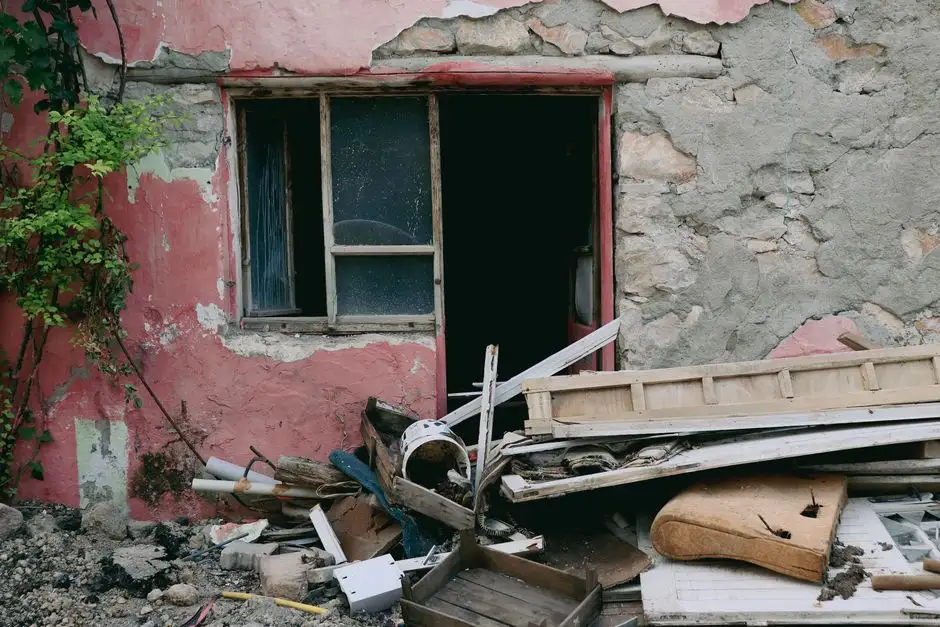
A damaged building facade showing broken windows and scattered rubble, illustrating urban decay.

Water Damage Restoration in Clinton Industrial Park, Done by People Who Know the Park

Water Damage Restoration in Clinton Industrial Park is emergency drying and repair work for the warehouses, shops and offices inside a working industrial zone, and it is needed the moment water reaches a slab, a rack of inventory or a server closet. Swiftcrest Corps has served this park since 2021, five years of responding to sprinkler discharges, roof ponding and equipment failures across the Warehouse District and Manufacturing Zone. We know which buildings sit on grade with no basement drain, which landlords want polyethylene sheeting and containment before we open a wall, and how fast a Davis County summer storm can push water through a loading dock seal. Our technicians carry moisture meters, thermal imaging cameras and hygrometers to map the wet footprint before we place a single air mover, then document everything in Xactimate so your adjuster sees the same numbers we do.

Clinton Industrial Park runs on flat roofs, wide slabs and heavy equipment, and all three fail in ways that push water sideways instead of down a drain. We serve this park because the demand is real and constant: sprinkler heads sheared off by forklift masts, condensate lines backing up over office ceilings, sump pumps quitting during spring runoff. Commercial tenants here cannot afford a two-week shutdown, so we schedule around shift changes and stage equipment in the yard rather than blocking a dock door. That is the whole reason we built a route that keeps a crew close to ZIP 84015.

Find Us in Clinton Industrial Park

Our first job in the park was a sprinkler discharge in a small Warehouse District tenant space, and it taught us the local rhythm fast: gate codes, after-hours security check-ins, and the fact that most buildings here share walls with neighbors who notice water before the tenant does. From 2021 forward we kept taking calls from Industrial Row and the Manufacturing Zone, and the work grew by referral from property managers rather than advertising. Five years in, we still keep the same habits, including a written log of which buildings need a permit before demolition and which have asbestos-era materials that require EPA Lead-Safe handling.

Water Damage Restoration Services Available in Clinton Industrial Park

Water damage in an industrial park does not look like water damage in a house. Here it means a wet slab under pallet racking, a soaked mezzanine office, or a sprinkler line that emptied across 4,000 square feet overnight. We handle all of it, and if you are searching for emergency water damage restoration Clinton Industrial Park tenants can actually reach at 2 a.m., that is the call we answer. Below is what we run inside the park every week.

flood restoration services

Flood restoration in Clinton Industrial Park usually starts at a dock door or a grade-level slab where stormwater pushed in past a seal. We extract, set containment with polyethylene sheeting, and dry the slab and lower drywall to ANSI/IICRC S500 standards before rust stains set into racking or equipment.

flood restoration services

emergency water removal

Emergency water removal in the Warehouse District means getting standing water off a concrete floor before it reaches inventory. Our extraction units pull hundreds of gallons an hour, and we stage hoses so forklift lanes stay open. Most park calls are dry to the touch within a shift.

emergency water removal

mold remediation after water damage

Mold remediation after water damage in Clinton Industrial Park focuses on mezzanine offices, break rooms and wall cavities where wet drywall and insulation sat too long. We use HEPA vacuums, Fiberlock containment and Benefect antimicrobial solution, then verify with moisture readings before we close anything back up.

mold remediation after water damage

water leak restoration

Water leak restoration here is mostly overhead: condensate lines, supply piping above office ceilings, and sprinkler fittings. We trace the leak with a thermal imaging camera, stop the source, and dry the ceiling grid and insulation so a small drip does not become a collapsed tile and a soaked server rack.

water leak restoration

emergency water cleanup

Emergency water cleanup in the Manufacturing Zone covers coolant spills, wash-down overflows and burst lines on production floors. We remove standing water, treat the surface with an antimicrobial solution, and hand back a floor that passes a slip check before the next shift clocks in.

emergency water cleanup

water extraction

Water extraction in Clinton Industrial Park is a truck-mount job, not a shop vac job. Our water extraction units and sump pumps move volume fast on wide slabs, and we use a moisture meter grid across the floor to confirm we pulled water from the low spots the eye cannot see.

water extraction

water damage mitigation

Water damage mitigation in the Logistics Park is about stopping secondary damage: rust, warped subflooring, mold growth in wall cavities. We set Dri-Eaz air movers and dehumidifiers, log hygrometer readings twice a day, and keep a drying record your insurer can read line by line.

water damage mitigation

toilet overflow cleanup

Toilet overflow cleanup in park office buildouts and shop restrooms is treated as contaminated water, not a mop job. We pull the water, remove affected baseboards and drywall, apply antimicrobial solution, and dry the subflooring so a restroom backup does not turn into a mold call three weeks later.

toilet overflow cleanup

basement flood cleanup

Basement flood cleanup in Clinton Industrial Park applies to the few below-grade mechanical rooms and storage pits in older buildings. Sump pump failures and groundwater seepage are the usual causes. We pump out, extract the residue, and dry the space with desiccant dehumidification before equipment goes back in.

basement flood cleanup

water damage restoration near me

When a tenant searches water damage restoration near me Clinton Industrial Park UT, they want a crew that already knows the gate code. We do. Our trucks run the park daily, so we are not guessing at building numbers, dock access or where the water shutoff sits in each block.

water damage restoration near me

water cleanup services

Water cleanup services across Industrial Row cover the unglamorous work: wet insulation, soaked cardboard, standing water under racking, and the mop-up after a line repair. We haul out saturated materials, dry the structure, and leave a written record of what was removed and why.

water cleanup services

24-hour water restoration near me

Our 24-hour water restoration line covers Clinton Industrial Park around the clock, because sprinkler failures and burst lines do not wait for business hours. Call at 2 a.m. and a crew rolls with extraction units and drying equipment already loaded. Most park addresses see us within 60 to 90 minutes.

24-hour water restoration near me

water extraction company

As a water extraction company working the Warehouse District, we handle volume other crews turn down: flooded dock aprons, soaked slab-on-grade tenant spaces, and standing water under pallet racking. We bring the equipment to match the square footage, not a token setup.

water extraction company

rapid water extraction

Rapid water extraction in Clinton Industrial Park is measured in hours, not days. Our goal on a typical tenant space is to have standing water gone within the first two hours on site, then shift to drying. That timeline is what keeps inventory, equipment and lease obligations intact.

rapid water extraction

kitchen water damage repair

Kitchen water damage repair in park break rooms and tenant cafeterias usually traces to a failed supply line, a dishwasher leak or a grease trap overflow. We dry the cabinet base, replace saturated drywall and subflooring, and check the flooring seam so a small leak does not lift the whole sheet.

kitchen water damage repair

ceiling water damage repair

Ceiling water damage repair in Clinton Industrial Park almost always starts above the grid: a roof leak over a flat-roof tenant bay, a condensate line, or a sprinkler fitting. We open the ceiling where needed, dry the insulation and framing, and replace tiles and drywall once readings come back dry.

ceiling water damage repair

sewage cleanup

Sewage cleanup in the Manufacturing Zone and Warehouse District is Category 3 work and gets full containment. We remove affected porous materials, treat surfaces with antimicrobial solution, run HEPA filtration, and verify the space before anyone returns to it. OSHA 10 practices govern how we set up.

sewage cleanup

crawl space mold removal

Crawl space mold removal in older park buildings addresses the damp voids under office additions and shop floors. We remove the growth, treat the framing, correct the moisture source, and install polyethylene sheeting as a vapor barrier so the problem does not return with the next wet season.

crawl space mold removal

attic mold remediation

Attic mold remediation in Clinton Industrial Park targets the low-slope roof cavities where ponding water and failed seals create condensation. We locate the moisture path, remove affected insulation and drywall, treat with Benefect, and confirm with a moisture meter before we call it done.

attic mold remediation

water damage remediation after fire

Water damage remediation after fire in the park is the second half of a fire call: sprinkler water and hose streams leave hundreds of gallons behind. We extract, dry the structure, and address mold growth risk so a fire loss does not become a mold loss on top of it.

water damage remediation after fire
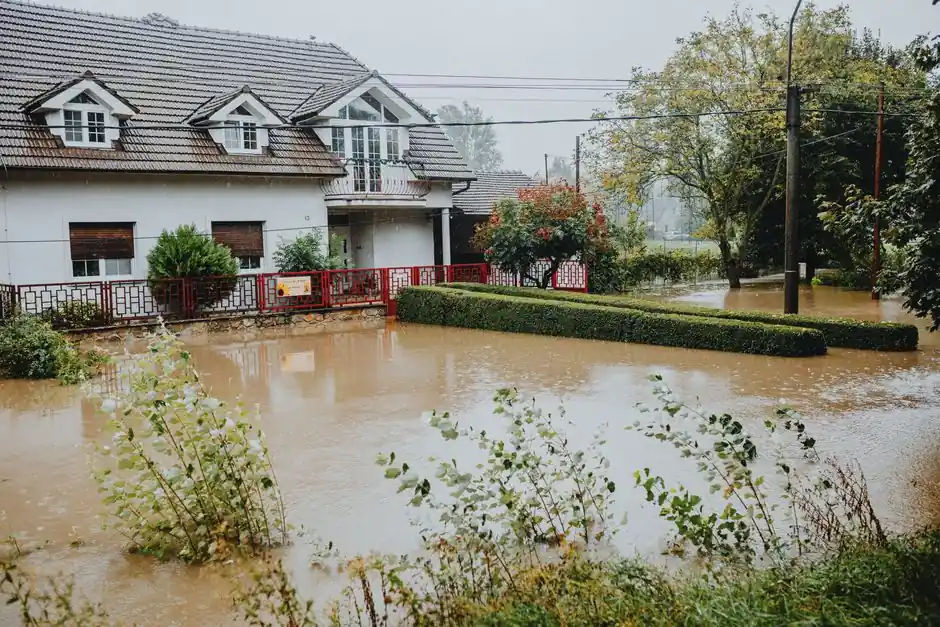
A suburban house surrounded by floodwaters after heavy rain, showing impact of natural disaster.
Local Expertise

How We Execute Water Damage Restoration in Clinton Industrial Park

Execution inside the park is different from a residential job, and the differences matter. Industrial zoning requires special permits before we open certain walls or disturb materials, so we check the building's status before demolition rather than after. Buildings here are mostly slab-on-grade with steel studs, metal siding and large flat roofs prone to ponding, which means water travels across a floor instead of soaking down, and drying has to account for a concrete slab that holds moisture for days. We schedule around shift changes, stage equipment in the yard instead of a dock lane, and coordinate with property management on gate access. If you need same day water damage restoration Clinton Industrial Park UT tenants can count on, we build the schedule around your operations, not ours.

1

Flat roofs ponding after heavy rain

We inspect the ceiling cavity with a thermal imaging camera and an inspection camera, map the wet zone, and dry the deck and insulation in place where possible. Where the deck is compromised, we remove and replace the saturated section and document it for the landlord and insurer.

2

Sprinkler system discharges and sheared heads

We confirm the riser is closed, extract standing water with truck-mounted units, and set a moisture meter grid across the slab. Air movers and dehumidifiers run until readings match a dry reference, and we photograph the drying log for the property manager.

3

Heavy equipment water damage risks

We prioritize extraction around equipment footprints, isolate power where needed, and dry the surrounding slab and air space with desiccant dehumidification. We coordinate with your maintenance lead on what gets powered back up and when, based on readings rather than guesswork.

Service Areas

Neighborhoods and Zones We Serve in Clinton Industrial Park

Clinton Industrial Park is not one address, it is a set of working zones, and each one has its own access rules, building types and water problems. We run crews through all of them, from the warehouse rows to the manufacturing floor, and we know the difference between a building that drains to a trench and one that does not.

Industrial Row
Warehouse District
Logistics Park
Manufacturing Zone
A damaged building facade showing broken windows and scattered rubble, illustrating urban decay.

4+

Areas Served

Local Results From Clinton Industrial Park Jobs

These are the kinds of calls we run in the park week to week. The details are representative of the work, and the numbers show what a fast, documented response actually looks like when a tenant space floods.

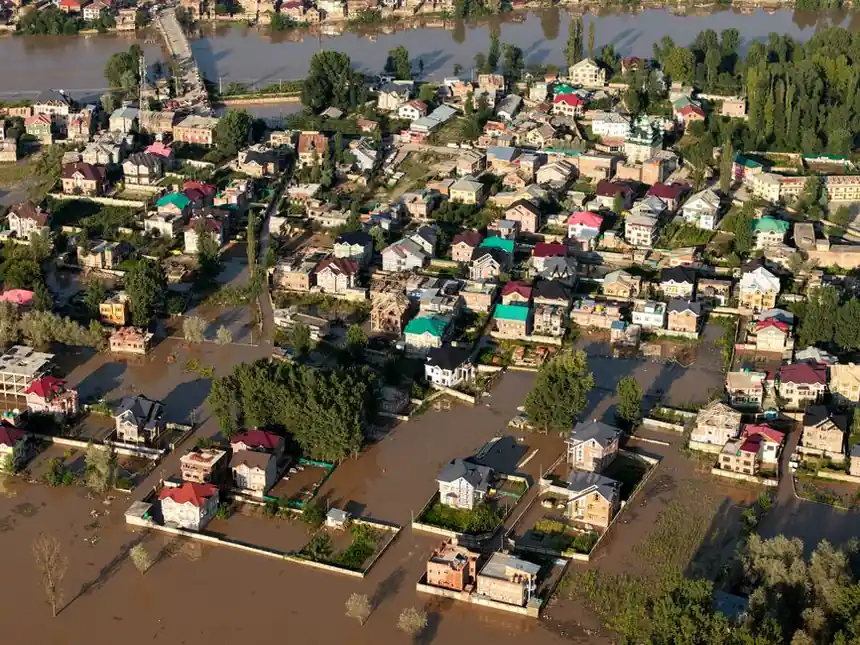
Aerial view showing extensive flooding in an urban area of Kashmir, India.
1
Challenge

A sheared sprinkler head emptied a riser across a Warehouse District tenant space overnight, leaving roughly an inch of standing water over 3,500 square feet of slab.

Solution

We closed the riser, extracted standing water with truck-mounted units, set a moisture meter grid across the slab, and placed Dri-Eaz air movers and dehumidifiers. Drying logs were captured twice daily and shared with the property manager and adjuster in Xactimate format.

Impact

Standing water was gone within two hours of arrival, and the slab reached dry standard in three days. No inventory loss was reported and the tenant reopened the same week.

Warehouse District
2
Challenge

A condensate line failed above a mezzanine office in the Logistics Park, soaking ceiling tiles, insulation and a section of drywall over a workstation area.

Solution

We traced the line with a thermal imaging camera, isolated the leak, removed saturated tiles and insulation, and dried the ceiling cavity with air movers and a desiccant dehumidifier. Affected drywall was replaced and the ceiling grid reset once readings were dry.

Impact

The office was back in use in two days, and moisture readings in the cavity matched dry reference within 72 hours. No mold growth was found at the follow-up check.

Logistics Park
3
Challenge

A wash-down station overflowed in the Manufacturing Zone, sending water across a production floor and into the base of two control cabinets.

Solution

We isolated power to the affected equipment, extracted the standing water, and dried the slab and cabinet surrounds with desiccant dehumidification. Antimicrobial solution was applied to the wet floor area, and the maintenance lead signed off on power-up after readings were confirmed.

Impact

The floor was dry and slip-checked before the next shift, and both cabinets were returned to service without replacement. Total downtime was under 12 hours.

Manufacturing Zone
When To Call

Signs You Need Water Damage Restoration in Clinton Industrial Park

In an industrial building, the first sign of water damage is rarely a puddle you can see. It is a stain on a ceiling tile, a musty smell near a wall, or a moisture meter reading that does not match the floor. If you are searching for water damage restoration near me Clinton Industrial Park UT because something feels off, these are the triggers that mean call now rather than next week.

1. Ceiling tiles sagging or stained overhead

A sagging tile means water is sitting above it, usually from a roof leak, condensate line or sprinkler fitting. The insulation above is likely saturated, and the longer it sits, the more likely the ceiling grid and drywall below will need replacement rather than drying.

2. Musty odor near a shared wall

A musty smell in a tenant space often means moisture is wicking through a shared block wall from a neighboring unit. Mold growth can start within 24 to 48 hours of a wet event, so an odor without a visible leak is a reason to get readings taken.

3. Concrete floor that stays dark after mopping

A slab that stays dark or cool in patches is holding moisture. On slab-on-grade park floors, water can sit under a sealed surface for days. A moisture meter confirms what the eye cannot, and drying needs to start before the slab damages flooring or equipment bases.

4. Rust appearing on racking legs or equipment

Rust on steel is a lagging indicator, which means the moisture has been there a while. In the Warehouse District, rust at a racking base often traces back to a floor that never fully dried after a previous event. It needs extraction and verified drying, not a wipe-down.

5. Water bill spike with no visible leak

A jump in the water bill with no obvious source usually points to a slab leak or an underground supply line. In a park building, that water can travel under the floor and surface in a different unit. We use an inspection camera and thermal imaging to find it before more slab is affected.

Call Now — (855) 927-6272
Local Problem Patterns

Common Water Damage Problems in Clinton Industrial Park

The problems we see in Clinton Industrial Park come from the buildings themselves: large flat roofs, slab-on-grade floors, heavy equipment and shared walls. Add Davis County's spring runoff and summer storm pattern, and you get a predictable set of failures. If you need emergency water damage restoration Clinton Industrial Park tenants call repeatedly for the same reasons, these are the four we handle most.

Flat roof ponding leading to ceiling leaks

Why it happens here

Park buildings have wide, low-slope roofs with seams and fasteners that fail over time. Water ponds in low spots after heavy rain or snowmelt, finds a seam, and shows up as a ceiling stain in a tenant space below, often far from the actual leak point.

Our approach

We trace the leak with a thermal imaging camera and inspection camera rather than guessing from the stain, dry the deck and insulation where possible, and document the roof condition for the landlord so the source gets fixed, not just the ceiling.

Sprinkler discharges flooding warehouse floors

Why it happens here

Forklift masts, pallet shifts and racking impacts shear sprinkler heads in tight warehouse aisles. A single head can release 20 to 30 gallons a minute, and the water spreads across the slab faster than a floor drain can take it.

Our approach

We confirm the riser is closed, extract with truck-mounted units, and set a moisture meter grid across the slab. Drying equipment is sized to the cubic footage, and we keep dock lanes clear so operations continue during the dry-out.

Sewage backups in shop restrooms and floor drains

Why it happens here

Older park buildings have floor drains and restroom lines that tie into shared laterals. Grease, debris and root intrusion cause backups that push Category 3 water onto shop floors, and the contamination makes it a containment job rather than a mop-up.

Our approach

We treat it as Category 3, set containment with polyethylene sheeting, remove affected porous materials, apply antimicrobial solution, and run HEPA filtration. OSHA 10 practices govern the setup, and we verify the space before it reopens.

Crawl space and under-floor moisture in older additions

Why it happens here

Some park buildings have crawl spaces under office additions and older shop floors where vapor barriers have failed. Ground moisture rises, insulation stays damp, and mold growth starts in the joists without ever showing a puddle above.

Our approach

We inspect the void with an inspection camera, remove the growth, treat the framing with Benefect, and install polyethylene sheeting as a vapor barrier. A hygrometer check confirms the space stays dry before we close it up.

Call Now — (855) 927-6272
Year-Round Coverage

How Seasons Affect Water Damage Restoration in Clinton Industrial Park

Clinton Industrial Park's water damage calendar follows the weather. Winter brings freeze failures, spring brings runoff and roof ponding, summer brings storm-driven dock flooding, and fall brings the first big rain after a dry stretch. Knowing which season you are in tells you what to check first, and if you need 24/7 water damage restoration Clinton Industrial Park UT crews stay ready for all four.

Winter

Hard freezes split supply lines and sprinkler piping in unheated warehouse bays, and the damage usually shows up on the first thaw. Buildings with minimal heat in storage areas are the highest risk, and failures often happen overnight when nobody is on site.

Tip

Keep heat above freezing in storage bays and know where your riser and shutoff are. If a pipe splits, close the supply first, then call. We answer overnight.

Spring

Snowmelt and spring rain push water against dock seals and roof drains. Ponding on flat roofs becomes a ceiling leak problem, and sump pumps in below-grade mechanical rooms get tested hard. This is our busiest stretch for roof-related calls in the park.

Tip

Clear roof drains and check dock door seals before the first big melt. If a ceiling tile starts sagging, get readings taken before the insulation above is saturated.

Summer

Monsoon-style storms drop heavy rain in short windows, and flat roofs and dock aprons take the hit. Sprinkler systems also run more in hot weather, and a failed fitting during a test can empty a line across a tenant space.

Tip

After a heavy storm, walk the ceiling line and check for new stains. A quick call after the first stain is cheaper than a full ceiling and insulation replacement.

Fall

The first sustained rain after a dry summer finds every failed roof seam and window seal. Coolant and wash-down systems in the Manufacturing Zone also get seasonal maintenance, which is when older lines fail under pressure.

Tip

Schedule a moisture check before the rainy stretch starts. A moisture meter reading now tells you whether a slab or wall cavity is already holding water from summer storms.

Call Now — (855) 927-6272

Water Damage Restoration in Clinton Industrial Park: FAQs

Common questions before hiring a Water Damage Restoration in Clinton Industrial Park

How much does water damage restoration cost in Clinton Industrial Park?

Most Clinton Industrial Park jobs run $2,500 to $6,000 in 2026, with small office leaks starting around $1,200 and full warehouse dry-outs reaching $15,000 or more. Square footage, water category and drying days drive the number. We give you a written scope with equipment counts and monitoring days so you can compare quotes on the same basis.

Who is the best water damage restoration company in Clinton Industrial Park UT?

The right company is the one already working the park, with equipment loaded and a documented drying process. We have served Clinton Industrial Park since 2021 and run crews through the Warehouse District and Manufacturing Zone weekly. Ask any contractor for their Utah registration, their drying documentation and a real response time to your address.

Is there 24/7 water damage restoration near me in Clinton Industrial Park?

Yes. Our emergency line answers around the clock for Clinton Industrial Park, including overnight sprinkler failures and burst lines. Most park addresses see a crew within 60 to 90 minutes with extraction units and drying equipment already on the truck. Call (855) 927-6272 and we start the response immediately.

How fast can you respond to water damage in Clinton Industrial Park Utah?

Typical arrival is 60 to 90 minutes for park addresses, day or night. We stage off Industrial Row and use the park's interior roads, so we are not searching for a building number at 3 a.m. Standing water usually comes out within the first two hours on site, then drying begins.

Does water damage restoration in Clinton Industrial Park work with insurance?

Yes. We document moisture readings, photographs and affected materials in Xactimate format so your adjuster reviews the same numbers we do. Commercial policies in the park often cover extraction, drying, equipment and minor demolition. We work directly with property managers and carriers to keep the claim moving while the dry-out runs.

Call Now — (855) 927-6272
Knowing the Area

Landmarks We Use to Navigate Clinton Industrial Park

Finding a tenant space in an industrial park is half the job, especially at night when building numbers are hard to read. We orient off Clinton Industrial Park's main landmarks, use the Union Pacific rail line as a north-south reference, and know which dock doors sit on which side of the park road. That familiarity is why we are not circling a block at 3 a.m. while your floor is flooding.

Landmarks

  • Clinton Industrial Park

    The park itself is our primary reference point. We keep a working map of building numbers, gate codes and water shutoff locations so a call from any unit starts with a known address rather than a search.

  • Freeport Center

    Freeport Center nearby is a useful orientation marker for the southern approach into the park. Crews coming from that direction use it to pick the fastest route when the main park road is blocked by a delivery.

  • Union Pacific rail line

    The rail line forms a clear edge along the park and helps us pick approach routes that avoid crossing delays. It also flags the buildings where vibration and grade changes make slab moisture more likely.

Commercial Districts

  • Warehouse District tenant blocks

    These blocks generate the highest volume of park calls: sprinkler discharges, dock door flooding and roof leaks over stored goods. Demand peaks after heavy rain and during freeze-thaw cycles when piping fails.

  • Manufacturing Zone industrial lots

    Manufacturing lots call us for equipment-adjacent water damage, coolant line failures and wash-down overflows. These jobs need tighter coordination with maintenance staff and often run outside production hours.

Transport & Access

  • Union Pacific rail line

    The rail line runs along the park edge and shapes our routing. We plan around crossing times so a crew is not held up while water is spreading.

  • Park interior road network and dock aprons

    Interior roads and dock aprons are how we actually reach a unit. We stage in the yard rather than a dock lane so deliveries and forklift traffic keep moving.

Call Now — (855) 927-6272
Service Area

Water Damage Restoration Coverage Across Clinton Industrial Park & Davis County

Routine and same-week appointments for residents and businesses across Davis County, including the ZIP codes below.

84015
Call Now — (855) 927-6272
Aerial view showing extensive flooding in an urban area of Kashmir, India.
Verified & Licensed
Trust & Safety

Licensed and Compliant in Utah

We maintain the highest standards of professionalism and compliance to serve Clinton Industrial Park residents.

Licenses

Utah Division of Professional Licensing contractor registration
Davis County business license

Certifications

IICRC WRT (Water Restoration Technician)IICRC ASD (Applied Structural Drying)IICRC AMRT (Applied Microbial Remediation Technician)EPA Lead-Safe Certified FirmOSHA 10-Hour Construction Safety

Start Water Damage Restoration in Clinton Industrial Park Now

Water is already moving through your building, and every hour it sits adds cost. We have served Clinton Industrial Park since 2021, we know the gate codes and the shutoffs, and our crews roll with extraction units and drying equipment loaded. Call and we start the response immediately, with documentation your property manager and insurer can use.